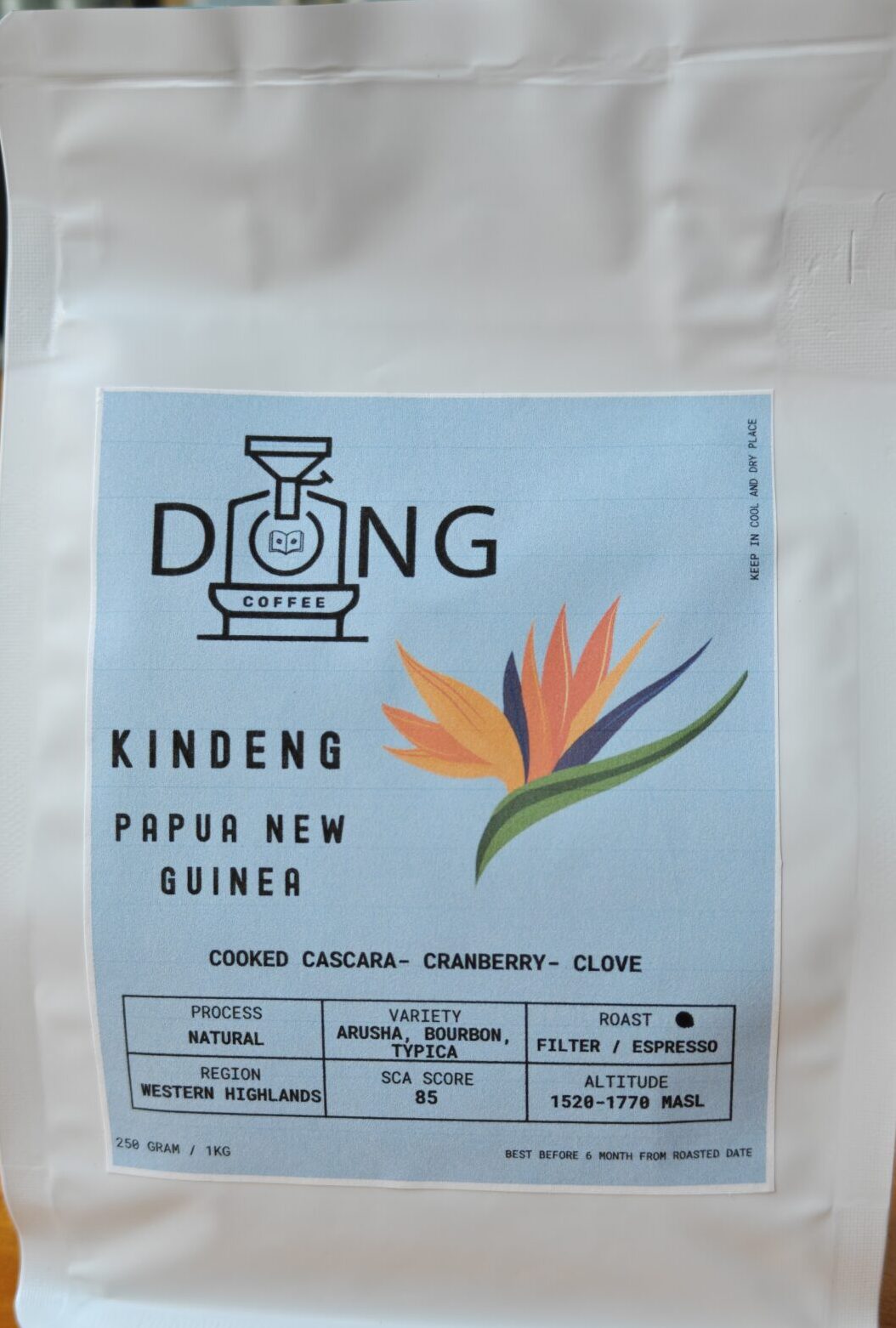
Papua New Guinea, Kindeng
Papua New Guinea Kindeng Mill – Natural
In the contemporary global coffee industry, Papua New Guinea is wholly unique both in how coffee is harvested and exported
from the country. While there are some estates and plantations, most coffee production comes from smallholder farmers,
each with around 1–2 hectares of land called “gardens” on which they grow small amounts of coffee along with whatever else
a family or community might need for use or sale.Sourcing coffee in Papua New Guinea poses unique logistical, cultural, and
linguistic challenges. The country’s many indigenous populations are often very distinct from one another in terms of custom
and language, and individual communities might comprise only a few hundred people, making communication and the
cultural sensitivity required to do business here more difficult than in other coffee-growing regions. Less than 10 percent of the
population is connected to or uses the Internet for communications, and there are roughly 55 telephones (both fixed-line and
cellular) for every 100 people.
Papua New Guinea Kindeng Mill – Natural
In the contemporary global coffee industry, Papua New Guinea is wholly unique both in how coffee is harvested and exported
from the country. While there are some estates and plantations, most coffee production comes from smallholder farmers,
each with around 1–2 hectares of land called “gardens” on which they grow small amounts of coffee along with whatever else
a family or community might need for use or sale.Sourcing coffee in Papua New Guinea poses unique logistical, cultural, and
linguistic challenges. The country’s many indigenous populations are often very distinct from one another in terms of custom
and language, and individual communities might comprise only a few hundred people, making communication and the
cultural sensitivity required to do business here more difficult than in other coffee-growing regions. Less than 10 percent of the
population is connected to or uses the Internet for communications, and there are roughly 55 telephones (both fixed-line and
cellular) for every 100 people.
Farm: Kindeng Mill
This coffee comes to us from the Kindeng Dry Mill, located in the Jiwaka province
of Papua New Guinea. It is a blend of coffee purchased in cherry from about 1500
multiple smallholders located in the Kindeng and Arufa municipalities. The average
farm size of producers in this area is about 1-2 hectares, and the soil is generally
sandy loam and loamy clay. After cherries are received at the mill, they are
processed accordingly and dried on raised beds and canvasses. They are moved
multiple times a day throughout the average 1-month drying process to ensure an
even and uniform average moisture content across the lot. Once the coffee is
adequately dried, it is placed into bags, stored in a cool and dry warehouse, hulled,
milled, and prepped for export.
| size | 1kg, 250grams |
|---|
Related products

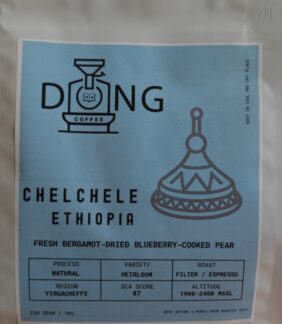
Ethiopia-Chelchele
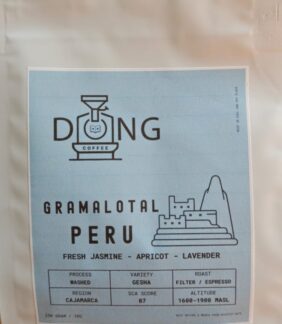
18,30 € – 63,30 €Peru Gramalotal
22,80 € – 79,80 €Colombia Betulia
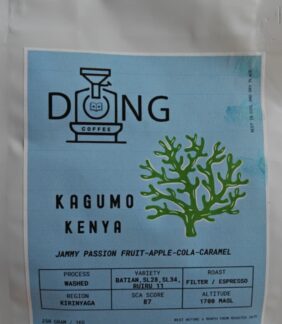
22,90 € – 81 €Kenya- Kagumo
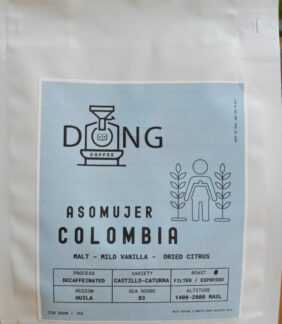
18,80 € – 64 €Colombia- Decaffeinated
17,80 € – 62,80 €