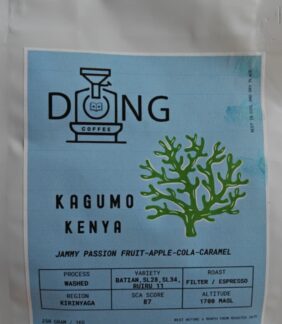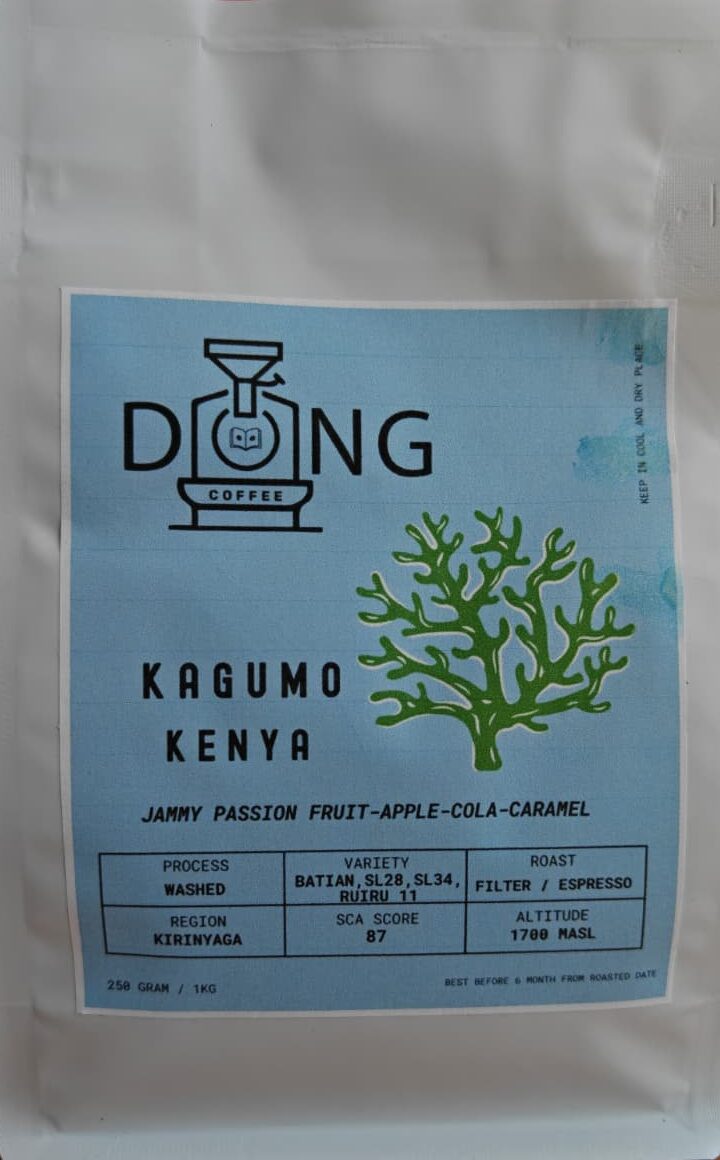
Kenya- Kagumo
Country: Kenya
More than a decade ago, before the term “microlot” became common usage in specialty coffee, Cafe Imports began direct
sourcing coffees in Kenya during a time when most importers were unwilling to take the chance on bringing in small, traceable
lots of coffee from individual mills and estates.Jason Long, one of Cafe Imports’ principal partners and coffee buyers, decided
that the risk was worth the potential reward. Thanks to Jason’s willingness to go out on a limb, our longstanding partnerships in
Kenya allow us to source exceptional, traceable Kenyan coffees, often from the same factories and estates that we have
partnered with for years. We are also able to offer a selection of full-container, mid-price lots of solid quality, including our
signature Kichwa Tembo and Regional Select Uteuzi Jimbo projects, that make for great blend or lower-cost single-origin
options.
Country: Kenya
More than a decade ago, before the term “microlot” became common usage in specialty coffee, Cafe Imports began direct
sourcing coffees in Kenya during a time when most importers were unwilling to take the chance on bringing in small, traceable
lots of coffee from individual mills and estates.Jason Long, one of Cafe Imports’ principal partners and coffee buyers, decided
that the risk was worth the potential reward. Thanks to Jason’s willingness to go out on a limb, our longstanding partnerships in
Kenya allow us to source exceptional, traceable Kenyan coffees, often from the same factories and estates that we have
partnered with for years. We are also able to offer a selection of full-container, mid-price lots of solid quality, including our
signature Kichwa Tembo and Regional Select Uteuzi Jimbo projects, that make for great blend or lower-cost single-origin
options.
The Cup:
Jammy passion fruit, apple, cola, and burnt sugar flavors with juicy acidity and
syrupy sweetness.
Factory: Kagumo
The Kagumo factory is operated by the Mutira Farmer Cooperative Society, which is
the umbrella cooperative overseeing several regional coffee factories including
Kagumo, Mutitu, and Kiangundu among others; there are around 4,000 members
who are part of the whole society.Coffees in Kenya are typically traceable to the
factory level, where smallholder farmers deliver cherry for sale and processing.
Producers deliver their cherry and receive payment based on weight at the market
level for the day. After the coffee is received by the F.C.S., it is sorted and processed
into lots that are built by quantity, so it is nearly impossible to know which farmers’
coffees end up in which particular lot. Because of the very small average farm size,
there is typically no way to keep more-detailed records at the factory level, without
adding miles of paperwork and delay.This is one of the reasons it is difficult to find
highly traceable coffees from Kenya.
Process: Washed Kagumo
Most of Kenya’s coffee is produced by smallholders delivering to factories (central processing units) who predominantly
produce Washed coffees. Estates are also best-known for their Washed lots. The Washed process in Kenya may vary slightly
from place to place, but it generally contains a soaking step that is unique to this growing country. First the coffee is picked ripe
and depulped the same day, then it is normally fermented in open-air tanks made of concrete or cement for 24–48 hours. It’s
then washed thoroughly using water channels before being soaked underwater for 12–72 hours. It is then spread on raised
beds to dry.
Region: Kirinyaga Kagumo
Kirinyaga, in Central Kenya, is home to Mt. Kenya. It is forested with a wealth of exotic wildlife receiving 50 inches of rain per
year. Many rivers run through the region and the soil is rich and volcanic, providing smallholders and cooperatives with the
resources to grow and process some of Kenya’s most fruit-forward coffees.
| size | 1kg, 250grams |
|---|
Related products

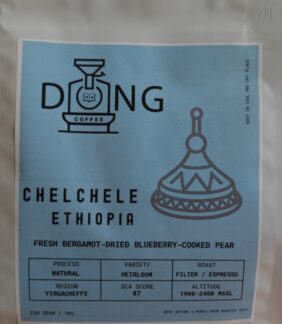
Ethiopia-Chelchele
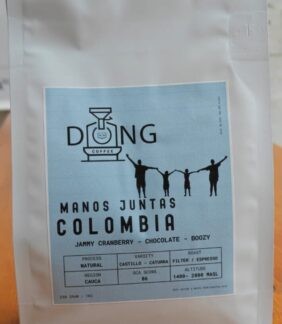
18,30 € – 63,30 €Colombia Manos Juntas
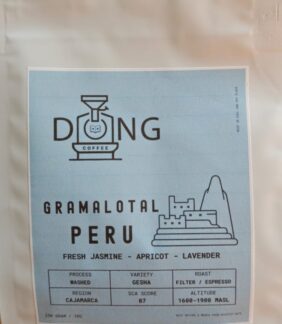
19,40 € – 67,50 €Peru Gramalotal
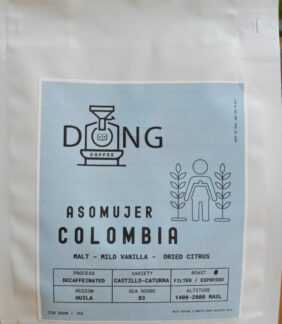
22,80 € – 79,80 €Colombia- Decaffeinated
17,80 € – 62,80 €Colombia Betulia
22,90 € – 81 €