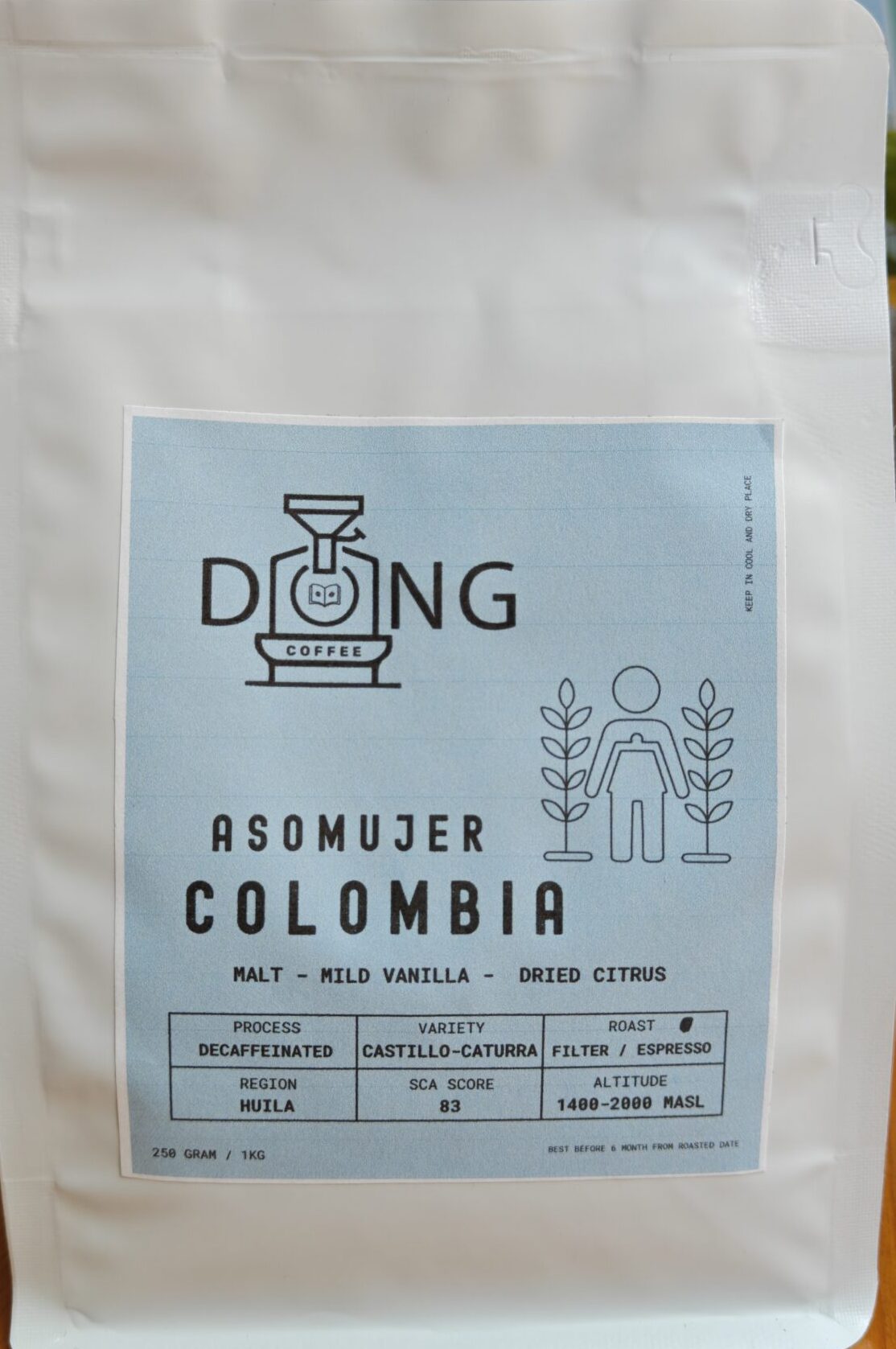
Colombia- Decaffeinated
Country: Colombia ASOMUJER – Timana – Huila – EA Decaf de Caña
For us at Cafe Imports, there’s something about Colombia.Actually, there’s not “something” about Colombia, but many, many
somethings that make this place particularly special among coffee-growing countries, and as famous. Everyone knows
Colombian coffee—or thinks they do. However, to simply say a coffee is from Colombia is to tell just a fragment of the story, like
recommending a book to a friend by only telling her the name of the publisher. To really get to know Colombian coffee is to
travel thousands of miles, taste through thousands of cups, and wear out dozens of pairs of hiking boots touring hundreds of
coffee farms from north to south. Even that’s just the beginning—but every beautiful story needs a beginning.We have had
boots on the ground (and spoons in the cup) here since our earliest days, and we fall in love over and over again with the
regional variations, the varieties, the landscape, and the producers themselves. From our work sourcing strong, versatile
workhorse coffees for our Excelso Gran Galope signature offerings; to our celebration of the taste of place with Regional
Selects from Cauca, Huila, Nariño, and Tolima; to the discovery and development of microlots from all over the country with
our export partners and the producers with whom they work closely—we simply can’t get enough.Neither can our customers:
Our offerings sheet comprises a wide selection of flavors, farms, and terroirs, and we will continue to explore new-to-us
regions and support the mostly smallholder farmers of Colombia into the future, as long as they’ll keep letting us come back
again and again and again
Country: Colombia ASOMUJER – Timana – Huila – EA Decaf de Caña
For us at Cafe Imports, there’s something about Colombia.Actually, there’s not “something” about Colombia, but many, many
somethings that make this place particularly special among coffee-growing countries, and as famous. Everyone knows
Colombian coffee—or thinks they do. However, to simply say a coffee is from Colombia is to tell just a fragment of the story, like
recommending a book to a friend by only telling her the name of the publisher. To really get to know Colombian coffee is to
travel thousands of miles, taste through thousands of cups, and wear out dozens of pairs of hiking boots touring hundreds of
coffee farms from north to south. Even that’s just the beginning—but every beautiful story needs a beginning.We have had
boots on the ground (and spoons in the cup) here since our earliest days, and we fall in love over and over again with the
regional variations, the varieties, the landscape, and the producers themselves. From our work sourcing strong, versatile
workhorse coffees for our Excelso Gran Galope signature offerings; to our celebration of the taste of place with Regional
Selects from Cauca, Huila, Nariño, and Tolima; to the discovery and development of microlots from all over the country with
our export partners and the producers with whom they work closely—we simply can’t get enough.Neither can our customers:
Our offerings sheet comprises a wide selection of flavors, farms, and terroirs, and we will continue to explore new-to-us
regions and support the mostly smallholder farmers of Colombia into the future, as long as they’ll keep letting us come back
again and again and again
The Cup: Malt with mild vanilla and dried citrus flavors. Mellow sweetness.
Farm:ASOMUJER
ASOMUJER (Asociación de Campesinas del Sur del Huila) is an association of
women producers located in the Timaná municipality in the south of the Huila
department. The group was founded in 2007 by 10 women who were looking for
new or alternative ways of doing business and to earn more for their products and
hard work. Today, ASOMUJER is made up of 75 women producers, including
activists, single mothers, and those displaced by conflict in areas of Colombia.They
constantly strive to produce and market high-quality coffee, providing technical
support to all our partners throughout the entire coffee production, processing, and
sales process. It is their goal to be a competitive, and leading organization in the
production and marketing of high-quality coffees in the region. ASOMUJER is
working to significantly contribute to better economic returns and improve the
quality of life of coffee growers, based on principles of economic, environmental,
and solidarity sustainability. They support their members, collaborators, and society
at large through training, capacity building, and technical support, thus ensuring fair
economic, social, and environmental compensation for the region
Process: Washed ASOMUJER – Timana – Huila – EA Decaf de Caña
Colombia is best-known for its Washed coffees. While the processing details might vary slightly from farm to farm or by
association, generally the coffee is picked ripe and depulped the same day, then given an open-air fermentation in tanks or
buckets for anywhere between 12–36 hours. The coffee is washed clean of its mucilage before being dried either on patios, in
parabolic dryers, solar driers, or mechanically. Some Washed coffees in Colombia are mechanically demucilaged
Program: Decaf EA ASOMUJER – Timana – Huila – EA Decaf de Caña
Ethyl acetate is an occurring ester (present in bananas and also as a by-product of fermented sugars) that is used as a solvent
to bond with and remove caffeine from green coffee. First, the coffee is sorted and steamed for 30 minutes under low pressure
in order to open the coffee seeds’ pores and prepare them for decaffeination. The coffee is placed in a solution of both water
and ethyl acetate, where the E.A. will begin to bond with the salts of chlorogenic acids inside the seeds. The tank will be
drained and re-filled over the course of eight hours until caffeine is no longer detected. The seeds are steamed once more to
remove the ethyl acetate traces, though E.A. is only
| size | 1kg, 250grams |
|---|
Related products

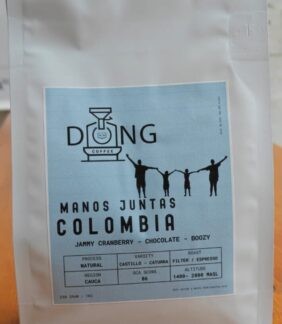
Colombia Manos Juntas
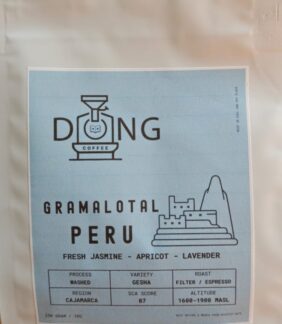
19,40 € – 67,50 €Peru Gramalotal
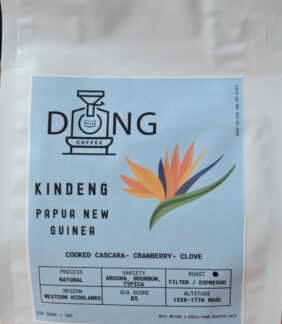
22,80 € – 79,80 €Papua New Guinea, Kindeng
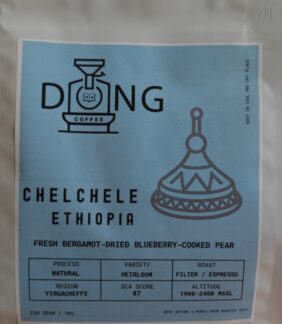
16,70 € – 55,50 €Ethiopia-Chelchele
18,30 € – 63,30 €Colombia Betulia
22,90 € – 81 €