
Acaia Classic Scale
206 €Acaia Classic Scale Pearl Pitch Black.
Showing 1–12 of 48 results


AeroPress Clear Red is the new version of this world-renowned coffee maker, now in transparent black Tritan™. AeroPress is an incredibly versatile gadget that will meet the expectations of both beginners and advanced coffee lovers. This product combines the advantages of French Press, filter method and a traditional coffee maker, which makes the preparation of your aromatic coffee really simple and quick.

AeroPress Clear Smoked is the new version of this world-renowned coffee maker, now in transparent black Tritan™. AeroPress is an incredibly versatile gadget that will meet the expectations of both beginners and advanced coffee lovers. This product combines the advantages of French Press, filter method and a traditional coffee maker, which makes the preparation of your aromatic coffee really simple and quick.

350 white paper filters for AeroPress Coffee Maker. Filters ensure a clean brew without coffee particles. Biodegradable and compostable, o suitable for AeroPress Original, Clear, and Go.

AeroPress Go is the new version of the coffee maker which has stolen the hearts of coffee lovers around the world. It was created as a response to the demand for an even more compact brewer. The device fits into a mug and alows you to make a cup of perfect black coffee anytime and anywhere – when travelling, on a hike or in the office. This product combines the advantages of French Press, filter method and a traditional coffee maker, which makes the preparation of your aromatic coffee really simple and quick. In addition, the device allows you to explore the limitless flavours of coffee by experimenting with brewing time, water temperature and fine or coarse ground beans. You can brew up to 237 ml of coffee at a time.
AeroPress Go is one of the most compact coffee makers in the world: AeroPress Go: 12cm x 9cm x 9cm, AeroPress Go with whole set closed in a cup with the lid: 14cm x 10cm x 10 cm
The set includes: Aeropress, 40 paper filters, coffee stirrer, coffee scoop, filter holder (for 20 filters), cup and lid.

AeroPress Original is the classic version of one of the most recognizable coffee makers in the world. It enables you to brew about 250 ml of coffee (total capacity is 296 ml). AeroPress is an incredibly versatile gadget that will meet the expectations of both beginners and advanced coffee lovers. This product combines the advantages of French Press, filter method and a traditional coffee maker, which makes preparation of your aromatic coffee really simple and quick. In addition, the device allows you to explore the limitless flavours of coffee by experimenting with brewing time, water temperature and fine or coarse ground beans. Using this method, you get up to 250ml of coffee and the whole process takes only a few minutes. Aeropress is unique with its small size and light weight, so you can brew your coffee just anywhere. Another advantage is that the device is made of a durable material that is easy to maintain. Currently, AeroPress is considered one of the most interesting alternative coffee brewing methods. All over the world there are championships crowned with World AeroPress Championships.
Package content: AeroPress Original, 50 paper filters, coffee stirrer, coffee scoop
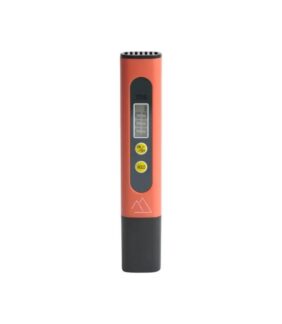
Key features:

Barista Space stainless steel cupping spoon in black. Made of stainless steel, length: 15 cm, bowl width: 4.3 cm, travel bag is included, hand wash only.

Cafec, Abaca Size: 02 (2-4 cups) Material: Abaca fibre, FSC-certified and biodegradable paper

Luis is a Huila Best Cup 2016 top 30 finalist. He was given a very small lot as a gift
from his father, and, since then, has been expanding and applying better methods
of processing techniques. Coffee has changed the style of his life: He and his family
work together as a team to run the farm. He collects only ripe cherries, ferments
dry for 25 hours, then moves the coffee to his parabolic dryer for an average of 25
days.
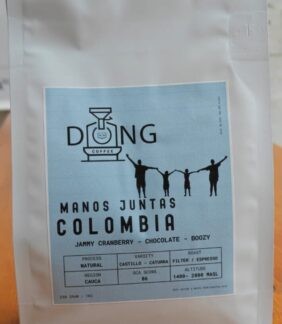
Micromill: Manos Juntas Micromill
Manos Juntas is a micromill in Sotara area of Colombia’s Cauca region, operated and managed by our exporting partners at Banexport. The entire concept of this micromill is based on simplifying tasks and responsibilities, for both producers and Banexport.This particular offering was first purchased in its cherry form when delivered to the mill on the day of harvest. Upon arrival, the Brix and pH were recorded, and the cherries are placed in large hermetic tanks for a five-day-long anaerobic fermentation: Each tank is labeled with the name of the producer, to retain traceability. During this period, nitrogen gas is introduced into the tanks in order to stimulate the yeast. Brix and pH are measured constantly through this process and are used to determine the stopping point for fermentation; the coffee is then subjected to 20°C temperatures in order to cease fermentation and remove the yeast and other microorganisms.For Honey-processed coffees, the cherries are then depulped and dried with the mucilage on in raised beds under shade.For Naturally-processed coffees, the cherry is then “aged” in tanks for a period of five more days before they are taken to solar dryers. Drying takes 30–45 days.Once dried, the coffee is cupped and samples are sent to Cafe Imports. They are then approved, milled, and shipped.Banexport believes that when it comes to a breakdown in factors that contribute to quality:50% is determined by crop production (fertilization, pruning, and proper harvest of cherries)50% is determined by post-harvest processing (fermentation, pulping, drying, and storage)Based on this understanding, Banexport decided to establish Manos Juntas Micromill, in which they purchase cherries from producers and manage the processing, drying, and storage themselves. This model allows producers to focus on the healthy production of specialty coffee, while the meticulous work of sorting, processing, drying, and storing is managed by Banexport’s team.Key takeaways about this program:Producers deliver and sell coffee in cherry form to Banexport, by total weight. The riper the cherry, the heavier it is. This encourages better harvest practice that directly correlates to higher quality.Producers get paid upfront for their coffee, typically producers have to wait 35 to 40 days for coffee to dry before selling it.Banexport guarantees to pay producers a fixed price well above the market value for these cherries.Producers involved are from surrounding farms. This means they need only to travel a short distance to deliver coffee, as opposed to driving many kilometers into town.Coffee infrastructure, like drying beds, fermentation tanks, and depulpers, can be very expensive to purchase and maintain. With this model, farmers can forgo all of this hassle and focus on maintaining healthy trees.
The Cup: Jammy cranberry, chocolate, and caramelizing flavors with lots of boozy acidity and candy-like sweetness.
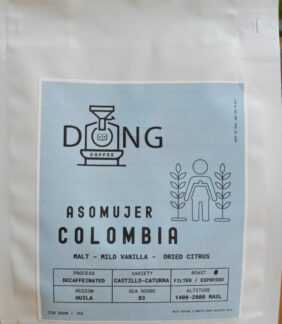
Country: Colombia ASOMUJER – Timana – Huila – EA Decaf de Caña
For us at Cafe Imports, there’s something about Colombia.Actually, there’s not “something” about Colombia, but many, many
somethings that make this place particularly special among coffee-growing countries, and as famous. Everyone knows
Colombian coffee—or thinks they do. However, to simply say a coffee is from Colombia is to tell just a fragment of the story, like
recommending a book to a friend by only telling her the name of the publisher. To really get to know Colombian coffee is to
travel thousands of miles, taste through thousands of cups, and wear out dozens of pairs of hiking boots touring hundreds of
coffee farms from north to south. Even that’s just the beginning—but every beautiful story needs a beginning.We have had
boots on the ground (and spoons in the cup) here since our earliest days, and we fall in love over and over again with the
regional variations, the varieties, the landscape, and the producers themselves. From our work sourcing strong, versatile
workhorse coffees for our Excelso Gran Galope signature offerings; to our celebration of the taste of place with Regional
Selects from Cauca, Huila, Nariño, and Tolima; to the discovery and development of microlots from all over the country with
our export partners and the producers with whom they work closely—we simply can’t get enough.Neither can our customers:
Our offerings sheet comprises a wide selection of flavors, farms, and terroirs, and we will continue to explore new-to-us
regions and support the mostly smallholder farmers of Colombia into the future, as long as they’ll keep letting us come back
again and again and again
End of content
End of content
Don't have an account yet? Sign up
No items in your cart. Go on, fill it up with something you love!
Start Shopping Now