Indonessia Asman Gayo
This coffee comes from a small mill in the Pegasing district of Takengon, in Sumatra’s coffee-famous Aceh region ran by Cup of Excellence winner Asman Arianto. The Asman Gayo mill serves several small coffee producers within the Pantan Musara villages. Several years ago, these producers were dislocated from their homes and land because of a natural disaster, and they have rebuilt their lives and farms with a new focus on coffee. Unlike the vast majority of other Sumatran coffee receiving and processing centers, this mill is producing Washed coffees, as well as Naturals. Microlots from Sumatra are most commonly traceable to the mill level, but occasionally traceable to the producer. Because of the generally small size of farms in Sumatra, most produers’ coffee is blended together with that of other smallholders. Microlot coffees not only have more traceability than those blended lots, but also achieve the highest quality and are rewarded with the highest prices
This coffee comes from a small mill in the Pegasing district of Takengon, in Sumatra’s coffee-famous Aceh region ran by Cup of Excellence winner Asman Arianto. The Asman Gayo mill serves several small coffee producers within the Pantan Musara villages. Several years ago, these producers were dislocated from their homes and land because of a natural disaster, and they have rebuilt their lives and farms with a new focus on coffee. Unlike the vast majority of other Sumatran coffee receiving and processing centers, this mill is producing Washed coffees, as well as Naturals. Microlots from Sumatra are most commonly traceable to the mill level, but occasionally traceable to the producer. Because of the generally small size of farms in Sumatra, most produers’ coffee is blended together with that of other smallholders. Microlot coffees not only have more traceability than those blended lots, but also achieve the highest quality and are rewarded with the highest prices
Natural coffees are typically processed the day they are harvested, and are first sorted for ripeness and quality before being
rinsed clean of debris. In many places this initial sorting happens via a float tank: Damaged and defective cherries will float to
the top to be removed, while high-quality coffee will sink to the bottom to be cleaned and dried. After sorting, cherries are
spread on raised drying beds, table, tarps, or patios, where they will be rotated constantly throughout the course of drying.
Drying can take an average of 30–40 days, depending on the weather.
| size | 1kg, 250grams |
|---|
Related products

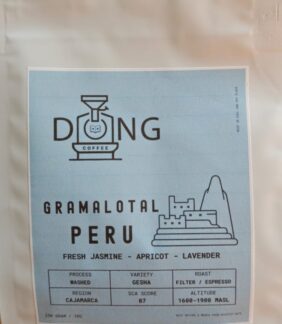
Peru Gramalotal
22,80 € – 29,80 €ETHIOPIA – CHELCHELE
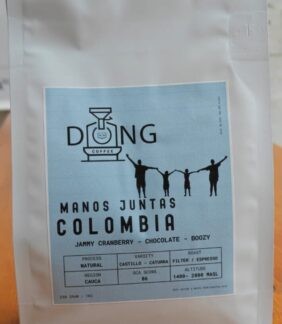
17,60 € – 58,40 €Colombia Manos Juntas
19,40 € – 67,50 €AFONSO BRAZIL
14,60 € – 48,40 €Colombia Betulia
22,90 € – 81 €